
Call 214-506-0671


USCIS Just Changed Asylum Cases Forever. Here's What You Need to Know
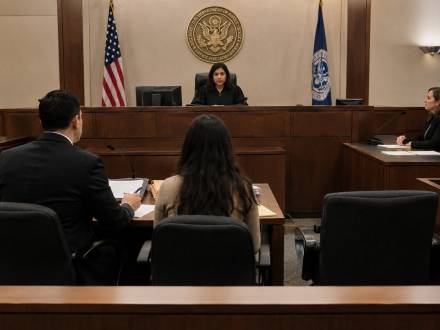 USCIS announced a major rule change today-July 27, 2026. It's already in effect. They can now skip your asylum interview entirely and send your case straight to immigration court without ever talking to you first. If you're applying for asylum or thinking about applying, you need to understand what this means for you right now.
How Asylum Used to Work
There are two paths to asylum in the United States.
If you're already living in the country and you want asylum, you apply to USCIS directly. This is called affirmative asylum. You file your paperwork, they schedule an interview with an asylum officer, and you get a chance to sit down and tell your story. The officer listens. They ask questions. If they believe you qualify for asylum, they approve you and you stay. If they think you don't qualify, they refer your case to immigration court—but you get another chance to present your case in front of a judge.
If you're in removal proceedings—if ICE arrested you or you were caught at the border—you're fighting deportation in immigration court. This is called defensive asylum. A judge presides. An ICE attorney argues that you should be deported. You fight back. It's adversarial and formal.
The key point: affirmative asylum used to mean you got a fair hearing before someone decides if you qualify.
What Changed (Effective Immediately)
USCIS announced this rule change on July 27, 2026, and it is already in effect as of today. You don't have to wait for further notice or a comment period. This is happening right now.
Starting immediately, USCIS can skip the interview step entirely. Instead of talking to you, an asylum officer can review just your paperwork and send your case straight to immigration court without ever meeting you.
Who does this apply to? USCIS says cases where "the record demonstrates that the applicant is barred from asylum or otherwise ineligible for the protection, or when asylum is not warranted as a matter of discretion." The administration estimates this could affect about 132,000 affirmative asylum applicants per year.
Translation: if USCIS looks at your application and thinks you don't qualify, they can skip the interview and send you to court without explanation.
Why This Is Happening Right Now
The Trump administration's official reason is that asylum backlogs are massive. There are over a million cases pending. They argue the system is being exploited for delay and work permits.
But there's more context. The administration has also fired over 100 immigration judges—judges who approved asylum cases at higher rates. At the same time, they hired new judges who deny asylum at much higher rates. In 2026, immigration judges have been approving asylum claims in fewer than 10% of cases, the lowest rate on record. During the Biden administration, the average approval rate was 42%.
They're replacing judges who say yes with judges who say no. And now they're sending cases directly to those judges without the initial interview step.
What This Means for You
You used to get two opportunities to present your asylum case. One at the USCIS interview level. If that didn't go well, another chance in immigration court. Now USCIS can send your case straight to court, which means you might only get one shot.
Immigration court is different. A judge presides. An ICE attorney is there to argue against you. It's formal. It's adversarial. You're not having a conversation with someone listening to your story. You're fighting for your life in a courtroom.
But here's what hasn't changed: immigration judges are often better trained than asylum officers. The law is still on your side. Due process still matters. If you have a strong case, you can still win.
The difference is that now you don't have a second chance built in. You have to get it right the first time.
What You Should Do Now
If you're thinking about applying for asylum or you already have a pending case, take this seriously.
Your initial application needs to be airtight. Don't file incomplete paperwork hoping you can explain things at the interview. Don't leave out details you think are obvious. Write everything down clearly. Gather all your evidence now. Explain any delays or missing pieces in your application.
Get legal help if you can. An immigration attorney can review your case, identify weak spots, and make sure your application is as strong as possible before it goes to USCIS. This isn't the time to file without advice.
If your case goes to immigration court, you're going to need a lawyer. You can't do this alone. Immigration court is complicated. The law is technical. The stakes are deportation.
Keep copies of everything you file with USCIS or immigration court. Respond to every notice. Don't miss deadlines. Follow the rules exactly.
The law hasn't changed. You still have the right to apply for asylum. You still have the right to a hearing. You still have the right to an attorney. What's changed is that the system is now faster and less forgiving of mistakes.
The Bottom Line
This is a significant change, but it doesn't mean asylum is impossible. It means you need to be smarter, more thorough, and better prepared than before. Your initial application is now your most important document. Get it right from the start.
If you have questions about your specific situation or you're considering applying for asylum, we can help.
