
Call 214-506-0671


The 39-Country Ban Is Still in Effect: What Changed and What Didn't
Confused about the 39-Country ban vs. the 75-County Visa Freeze?
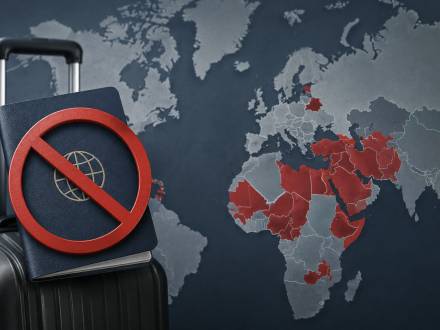
The 39-country ban is a presidential proclamation that started January 1st, 2026, and it is still blocking immigrant visas right now. If you're a national of one of the 39 banned countries, your ability to immigrate to the United States has been significantly restricted. But if you've been hearing about both the 39-country ban and a 75-country visa freeze, you're not wrong to be confused. They're two completely different policies from two different government agencies, and only one is still standing in August 2026.
The distinction matters for your immigration case. Here's what you need to know about the 39-country ban, how it works, and how it differs from the 75-country freeze that was recently struck down by a federal court.
The 39-Country Ban: Presidential Proclamation Based on National Security
The 39-country ban came from the President as a national security measure under a presidential proclamation. It is still in effect as of August 2026.
For 19 of these countries, the ban is total: No visas are being issued at all. No tourist visas, no work visas, no immigrant visas. Nothing.
For the other 20 countries, it's a partial ban: You might still be able to get a work visa like an H-1B or an O-1. But immigrant visas are completely blocked. And that includes spousal visas and family-based immigrant visas. If you're trying to bring your spouse or family members through the green card process, that path is closed under this proclamation.
If you're a national of one of the 39 countries and you need a visa after January 1st, 2026, the answer is almost certainly no.
The 75-Country Freeze: State Department Public Charge Policy (Struck Down)
In January 2026, the State Department announced a different freeze. They said they were pausing immigrant visa issuance for 75 countries because they claimed people from those countries use public benefits too much. This was called the "public charge" freeze.
But this freeze only blocked immigrant visas. You could still get a work visa. You could still get a tourist visa. It was specifically about stopping the green card path through consular processing.
On August 21st, 2026, a federal judge in Manhattan struck it down. The judge called the policy unlawful and said the State Department didn't have the authority to do it.
The Key Difference: 39-Country Ban vs. 75-Country Freeze
Here's how the 39-country ban differs from the 75-country freeze that was just struck down:
| Comparison | 39-Country Ban | 75-Country Visa Freeze |
|---|---|---|
| Source | Presidential Proclamation | State Department |
| Reason Given | National Security | Public Charge (welfare concerns) |
| What's Blocked | Immigrant visas + spousal visas (19 countries block all visas; 20 block immigrant visas only) | Immigrant visas only |
| Status in 2026 | Still in effect as of August 24, 2026 | Struck down by federal court on August 21, 2026 |
| Your Options | Depends on your country (total or partial suspension) | If your country was on this list and NOT on the 39-country ban, immigrant visas may be available again |
The bottom line: The 39-country immigrant visa ban is still your problem if you're a national of one of those countries. The 75-country freeze is gone, but that only matters if your country wasn't on the 39-country ban list. If you're on the 39-country list, being removed from the 75-country freeze doesn't change anything.
Frequently Asked Questions About the 39-Country Ban
Still have questions about how the 39-country ban affects your immigration case? Here are the questions we hear most often from people trying to understand the ban and what it means for their families.
Q: Is my country on the 39-country ban list? A: Check the official State Department website or call an immigration attorney. The 19 fully suspended countries are different from the 20 with partial suspension. You need to know which category you fall into.
Q: If the 75-country freeze was struck down, does that mean I can get an immigrant visa now? A: Not if you're on the 39-country ban list. The freeze strike-down doesn't affect the 39-country ban. They're separate policies. If you were blocked by the 75-country freeze and your country is not on the 39-country list, then yes, that path may be open again. But talk to an attorney first.
Q: My spouse is from one of the 39 countries. Can they get a spousal visa? A: No. The 39-country ban blocks all immigrant visas, including spousal visas. Even immediate relatives are blocked under this proclamation.
Q: Can I get a work visa if my country is on the 39-country ban? A: It depends. If your country is one of the 19 with total suspension, no. If it's one of the 20 with partial suspension, a work visa like H-1B might still be possible. But immigrant visas are blocked for all 39 countries.
Q: Can I travel to the US for a visit if I'm from a banned country? A: For the 19 with total suspension, no visa means no travel. For the 20 with partial suspension, a tourist visa might be possible, but you should talk to an attorney before trying. The situation is complex and depends on your specific circumstances.
Q: When will this end? A: The 39-country ban has no expiration date in the proclamation. It's in effect until the President changes or revokes it. Don't count on it going away on its own.
Q: My case was pending before January 1st. Does the ban still apply to me? A: Yes. The ban applies to visa applications made on or after January 1st, 2026, regardless of when the underlying petition was filed.
What to Do Now
If you or your family members are nationals of one of the 39 countries, don't wait and don't guess. Talk to an immigration attorney who knows the current bans inside and out. The difference between the fully suspended and partially suspended countries matters. The difference between immigrant visas, work visas, and tourist visas matters. Your path forward depends on getting the details right.
The 39-country ban is the law right now. The 75-country freeze is gone. But only one of those changes affects you, depending on where you're from.
Consult With an Immigration Attorney About the 39-Country Ban
The 39-country ban affects thousands of families. If your case involves a banned country, you need specific legal guidance tailored to your situation. The details—which country you're from, whether it's on the 19-country total suspension list or the 20-country partial suspension list, what type of visa you're seeking—all of this changes your options.
At Hafey & Karim, we handle 39-country ban cases daily. We know which paths are still open, which are completely closed, and how to move forward if your country is affected.
Book a consultation with one of our immigration attorneys →
Get answers to your specific questions about the 39-country ban, the 75-country freeze, and what your immigration options are right now. We'll give you straight legal advice based on your country and your case.
