
Call 214-506-0671


USCIS Public Charge Rule Changes: Answers to Your Questions
A Simple Guide to Who This Affects and What It Means
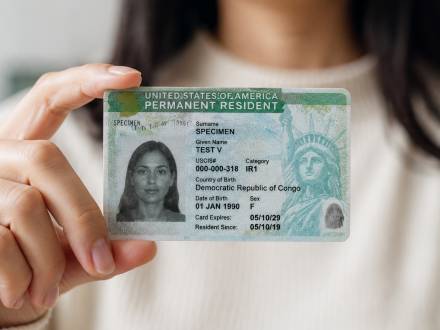
USCIS just announced new rules about public charge that take effect September 18, 2026. If you're applying for a green card, sponsoring a family member, or already in the immigration process, you might be wondering: Does this affect me? What exactly changed? Do I need to do anything differently?
This guide answers the most common questions in plain English.
What Is Public Charge, and Why Should I Care?
Public charge is an immigration rule that can block you from getting a green card if the government thinks you'll become dependent on government benefits.
Think of it this way: When you apply for a green card, USCIS asks, "Will this person be able to support themselves without depending on government help?" If they say no, they can deny your application.
The new rules make it harder to answer "yes" to that question.
What Actually Changed?
Before September 18, 2026, only two types of government benefits mattered:
- Cash assistance (like welfare)
- Long-term care in a government institution
After September 18, 2026, these benefits now count too:
- Medicaid (health coverage)
- SNAP (food assistance)
- Housing assistance (Section 8)
- Other financial assistance programs
- CHIP (children's health insurance)
Basically, almost any help from the government now counts as a sign you might become a public charge.
Who Does This Affect? (Simple Version)
This rule affects people applying for green cards in these categories:
- Family-based immigration (your relative sponsors you)
- Employment-based immigration (your employer sponsors you)
- Diversity visa applications (lottery)
This rule does NOT affect:
- Refugees
- Asylees
- T visa holders (human trafficking victims)
- U visa holders (crime victims)
- Special immigrant categories
If you're in one of the protected categories above, this change doesn't apply to you.
Key Question: Does This Affect People Who Already Applied?
This is the most important question, and the answer depends on timing.
If Your Application Was Already Approved
Good news. Once USCIS approves your green card application, the new rule doesn't go backward and reopen your case. You're safe.
If Your Application Is Currently Pending (Not Yet Decided)
This depends on when your application is decided:
Pending application approved BEFORE September 18, 2026: You're evaluated under the OLD rules. The new stricter rules don't apply.
Pending application approved AFTER September 18, 2026: You're evaluated under the NEW rules. Even if you applied months ago, if USCIS hasn't decided yet, they'll use the new stricter standard.
This means if your application is pending, timing matters. The sooner USCIS makes a decision, the better, because old rules are more lenient.
If You Haven't Applied Yet
If you're planning to apply after September 18, 2026, the new rules apply to you. You need to prepare accordingly.
Does This Affect Green Card Renewers?
No. If you already have a green card and just need to renew your green card card (get a new physical card), public charge doesn't apply. The public charge rule only applies when you're first getting a green card, not renewing one.
However, if you're applying for naturalization (U.S. citizenship), public charge technically doesn't block naturalization either, though having sufficient income still helps.
Does This Affect My Visa Status Before the Green Card?
No. If you're on an H-1B, F-1 student visa, or other temporary visa, this rule doesn't affect your visa status. Public charge only matters when you apply for a green card.
Real-World Examples: Who Gets Affected and Who Doesn't
Example 1: Sarah, Family-Based Application (AFFECTED)
Sarah is applying for a green card through her sister. Sarah has worked on and off for the past few years and received Medicaid coverage when she didn't have a job.
Before September 18: USCIS mostly ignored the Medicaid. They focused on whether she had employment and income now.
After September 18: USCIS considers the Medicaid as evidence she might need government help. Sarah needs to prove she has sufficient income and assets to support herself without any benefits.
Example 2: James, Employment-Based (AFFECTED)
James is an engineer applying for a green card through his employer. He earns $120,000 per year with savings of $200,000.
Before and after September 18: James's case is strong under both rules. His income and assets are substantial. Even if he received unemployment benefits once, his current strong financial position outweighs that.
Example 3: Maria, Refugee (NOT AFFECTED)
Maria entered the U.S. as a refugee and is now applying for a green card. She received SNAP and Medicaid during her first year in the country.
Under the rule: Maria's case is not affected by the public charge rule at all. Refugees are exempt.
Example 4: Tom, Pending Application (TIME MATTERS)
Tom filed his family-based green card application in March 2026. USCIS hasn't made a decision yet.
If USCIS decides his case on September 15, 2026, he's evaluated under old rules (much better for him).
If USCIS decides his case on September 20, 2026, he's evaluated under new, stricter rules.
Tom should encourage USCIS to make a decision before September 18.
What Should You Do Right Now?
If You Already Have a Green Card
You're not affected. Nothing changes for you.
If Your Application Is Pending
Contact your immigration attorney or USCIS to ask where your application stands. If decision is expected before September 18, that's good. If it will likely be decided after, you may need to prepare additional documentation under the new rules.
If You're Planning to Apply After September 18
Prepare carefully:
- Gather employment verification and tax returns
- Document all your assets and savings
- If you've received government benefits, gather records and explanations
- Ensure your sponsor (if family-based) has sufficient income and assets
- Consider consulting an immigration attorney before applying
If You're Thinking About Applying Before September 18
You might have an advantage. The old rules are more lenient. If you can file your application before September 18, the new stricter rules won't apply to your case.
What If You've Received Government Benefits?
Receiving government benefits doesn't automatically disqualify you. USCIS looks at the total picture:
- Why did you receive benefits?
- When did you receive them?
- Are you receiving them now?
- Do you have income and assets now?
- What's your current employment situation?
If you received unemployment or SNAP during a temporary job loss but have been employed and self-sufficient for the past two years, that temporary benefit receipt probably won't disqualify you.
If you're currently receiving benefits or have a pattern of long-term benefit dependence, that's more concerning.
The Bottom Line
The new public charge rule starting September 18, 2026, makes it stricter to prove you won't become dependent on government benefits. It affects people applying for green cards through family sponsorship, employment, or diversity visa programs (but not refugees or asylees).
If your application is pending, timing matters. Applications decided before September 18 use old, more lenient rules. Those decided after use new, stricter rules.
If you already have a green card, this doesn't affect you. Green card renewals are not impacted.
If you're planning to apply, be prepared with strong documentation of your income, assets, employment, and education.
In California, the Bay Area, Concord, and nationwide, we can help you understand how these new rules apply to your specific situation and prepare your application accordingly.
Important Legal Disclaimer
This article provides educational information about public charge and USCIS guidance. It is not legal advice. Immigration rules are complex and apply differently to different people based on their circumstances.
Before making immigration decisions or filing applications, consult with a qualified immigration attorney who can review your specific situation. If you're in California or anywhere nationwide, an immigration attorney can help you prepare for these new rules.
Our Concord-based firm serves clients throughout California and nationwide. We offer 30-minute consultations to discuss how the new public charge rule affects your case and what steps to take next.
Sources: USCIS Newsroom guidance on public charge rule changes effective September 18, 2026.
