
Call 214-506-0671

USCIS E-Filing Rule: What You Need to Know About Filing Immigration Forms Online
USCIS UPDATE: E-Filing Rule
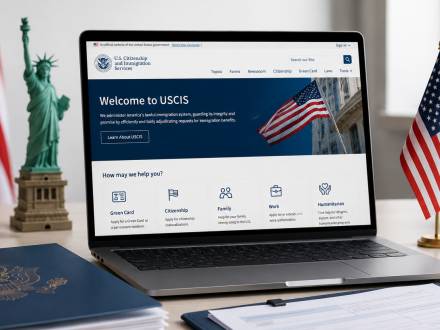
Starting this month, USCIS is moving toward requiring more immigration forms to be filed online. If you're applying for a green card, asylum, citizenship, or any other immigration benefit, this change will eventually affect you. Here's what's happening and what you need to do now.
What Changed?
On August 11, 2026, USCIS announced a new rule that lets them require electronic filing for immigration forms. This is a big shift—for years, people could mail paper forms to USCIS lockbox addresses. That option is going away.
The rule doesn't make all forms online-only immediately. Instead, USCIS can now require e-filing for any form that has been available online for at least 180 days. When they decide to make a form mandatory e-filing, they have to give you 60 days' notice first.
Which Forms Will This Affect?
Eventually, this could affect almost every immigration benefit:
- Green card applications (Adjustment of Status applications)
- Green card renewals
- Family-based petitions
- Citizenship and naturalization applications
- Asylum applications
- Employment authorization applications
- Temporary Protected Status (TPS) filings
- Change of status applications
USCIS says this move will help them catch fraud faster and improve security screening. But for you, it means learning to file online.
What You Need to Know Right Now
This is not happening overnight. Forms already have to be available online for at least 180 days before USCIS can make them mandatory e-filing. So you have time. But start preparing now.
You'll need three things:
- An internet connection
- A USCIS online account (through MyUSCIS)
- Either comfort filling out forms on the USCIS website OR the ability to upload a PDF version of your completed form
How the e-filing works: When it's time to file, you log into your USCIS account online. Then you either complete the form directly on the USCIS website, or you fill out a PDF form on your own computer and upload it with your supporting documents. You pay the filing fee online too.
What If You Can't File Online?
This is important: USCIS is creating a formal waiver process. If you genuinely cannot file online—no internet access, not enough technology skills, medical reasons—you can request a waiver. The rule says USCIS must consider your request.
But here's the reality: getting a waiver takes time and extra paperwork. It's better to start learning now while you still have the option to mail paper forms.
What Should You Do Now?
If you're planning to file an immigration application in the next few months:
- Start getting comfortable with USCIS's online systems now. Visit MyUSCIS.uscis.gov and create an account if you don't have one.
- Make sure you have reliable internet access.
- Gather your documents in digital form (photos or scans). Paper copies won't work for online filing.
- If you're working with an immigration attorney, talk to them about the e-filing process. They can guide you through it.
If you're not filing right away:
- Bookmark MyUSCIS.uscis.gov for later.
- Know that by the time you're ready to file, e-filing might already be required for your form. Plan ahead.
The Good News and the Challenging Part
The good news: E-filing is usually faster than waiting for USCIS to receive and process paper mail. Your application might be reviewed sooner.
The challenging part: Not everyone has reliable internet access. Not everyone feels comfortable with technology. And mistakes on online forms can get caught immediately, which means you have to fix them right away—no time to think about it.
Key Dates to Remember
- August 11, 2026: The rule became effective. USCIS can now use it to require e-filing.
- October 13, 2026: The deadline for public comments on the rule (this won't change the rule, but USCIS will consider feedback).
- 60 days before a form becomes mandatory: USCIS will announce which forms must be filed online. They have to give you at least 2 months' notice.
Questions? Get Help
If you're confused about how to file online, or if you think you'll need a waiver, talk to an immigration attorney now. Don't wait until you're ready to file. The time to get help is before you start.
E-filing isn't complicated once you understand the steps. But having someone guide you through it the first time makes a big difference.
This is general information, not legal advice. Immigration law is complex and your situation might be different. Consult with an immigration attorney about how this rule affects your specific application. Hafey & Karim can help—contact us for a consultation.


Our firm provides representation for people throughout the United States. From our Concord office, we serve clients in San Francisco, Oakland, San Rafael, San Pablo, Richmond, Berkeley, Alameda, San Leandro, Hayward, Fremont, San Bruno, San Mateo, Palo Alto, San Jose, Mountain View, Milpitas, Cupertino, Santa Clara, and Campbell. Additionally, we serve clients in Texas cities including, Plano, Frisco, Allen, Carrollton, Farmers Branch, Richardson, Garland, Mesquite, Irving, Grand Prairie, Arlington, Euless, Bedford, Grapevine, Coppell, and Fort Worth.
Results listed are not a guarantee or indication of future case results.