
Call 214-506-0671


Fifth Circuit Bond Ruling: Is It Unconstitutional?
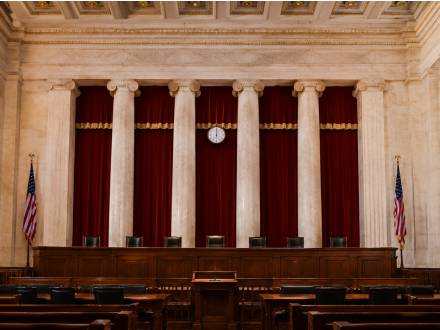
On Friday, October 23, 2026, the full Fifth Circuit Court of Appeals ruled 10 to 7 that people who entered the United States without inspection have no constitutional right to an individualized bond hearing. The decision covers Texas, Louisiana, and Mississippi. It reverses a three-judge panel that had found the policy unconstitutional as applied to people who had lived here for more than a decade.
For many immigrants and their families, this ruling feels like the end of a basic protection. Here is why many lawyers believe it goes too far.
What the policy does
Since July 2025, ICE has treated anyone who entered without inspection as an "applicant for admission." Under that label, the government says they must be held without bond while their removal case is pending. An immigration judge cannot even consider whether the person is a danger or a flight risk.
Why this raises a due process problem
The Fifth Amendment says no person shall be deprived of liberty without due process of law. That protection is not limited to citizens. The Supreme Court has said the Constitution’s due process guarantees apply to people in the United States regardless of immigration status.
The Court has also recognized that detention can become unconstitutional when it is prolonged or lacks any meaningful review. In Zadvydas v. Davis (2001), the Court warned that the government’s power to detain noncitizens is not unlimited. Critics of the Fifth Circuit ruling argue that holding someone for months or years with no individualized hearing is exactly the kind of detention the Constitution does not allow.
The problem with "you can just leave"
The majority opinion suggested that detainees could end their liberty interest "at any moment by agreeing to leave the country." That reasoning troubles many people. Leaving is not always safe or possible. A person may have a family, a child with a disability, a job, or a fear of persecution in their home country. Telling someone to leave in order to regain their freedom puts pressure on them to give up their legal claims.
Why the numbers matter
Long detention is hard on families, and it is hard on people’s ability to fight their case. A detainee who cannot see a lawyer, gather documents, or show their ties to the community is at a serious disadvantage. A bond hearing gives a judge the chance to weigh facts about the person. Without that hearing, the outcome can depend on a single legal label.
The other side
Supporters of the policy argue that Congress made detention mandatory for people in this category. They say the statute treats people who entered without inspection as "seeking admission," and that courts should follow the text of the law. The government has also argued that people in removal proceedings have a path to leave the country, and that detention is part of enforcing immigration law.
The Fifth Circuit majority agreed with this view on the constitutional question. The Supreme Court has agreed to decide the broader statutory question, so the final answer is still open.
What this means for you
If you live in Texas, Louisiana, or Mississippi, or if someone you love is detained there, do not assume the case is hopeless. Some challenges remain available, and the facts of each case matter. Talk with an immigration attorney who knows the current rules and can review your situation.
This article is for general information only and is not legal advice. Consult a licensed attorney about your specific case.
