
Call 214-506-0671


Democrats Win Congress: What It Means for Immigrants
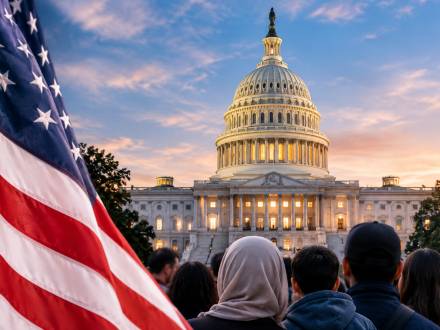
Democrats won control of the House and Senate in the 2026 midterm elections. Many Democratic candidates campaigned on limiting ICE and creating new paths to legal status. Those promises now face a harder test: turning campaign statements into hearings, funding decisions, and laws, with a Republican President who has signaled he will keep enforcing current policy.
The clearest picture comes from what Democrats and the administration have said so far. Their words point to what is likely in 2027 and what is unlikely.
Oversight Is Likely to Come First
Rep. Bennie Thompson, the top Democrat on the House Homeland Security Committee, has said that when Democrats retake the House, they will "ensure the executive branch is held to account." That statement came before the election, but it points to the most likely early action: committee hearings, document requests, and questions for agency leaders about how ICE treats detained people and how deportation cases are handled.
Democrats have also said they plan to open inquiries into DHS and ICE. Expect these requests to start soon after the new Congress convenes on January 3, 2027. The administration may resist. Homeland Security Secretary Markwayne Mullin has already said "Deportations will continue," which suggests a continuing dispute over how much information agencies will share. Subpoena fights and court challenges over records are realistic outcomes.
Funding Will Be Harder to Use Than It Looks
Congress controls ICE’s budget, so funding is the most direct tool Democrats have. But a 2025 Republican law gave ICE large sums that last through the end of this presidential term. That limits how much leverage a new budget can create. Democrats could still try to attach restrictions to spending bills, but those fights will run into the same veto problem that applies to every other bill.
The next major deadline is the end of the 2027 fiscal year on September 30, 2027. That is when a budget fight over immigration spending would become concrete.
Legal Pathways Will Be Debated, but Probably Not Passed Quickly
Sen. Alex Padilla, who leads the Senate Judiciary subcommittee on immigration, wants to give citizenship to immigrants who have lived in the country for years and paid taxes. He put it simply: "Now it’s Congress’ job to build it." Expect bills like this to be introduced in 2027. Passing one would require the President’s signature. Given the administration’s stated direction, a broad citizenship bill is unlikely to become law during this term.
Sen.-elect James Talarico has said the country needs "more legal pathways for hardworking immigrants." That language suggests a more realistic target: narrower bills that could draw some Republican support, such as pathways for specific groups or changes to family-based visa backlogs. Rep. Pramila Jayapal has pointed to people who came to the United States as minors and to spouses, children, and parents of U.S. citizens as groups with growing political support.
For families waiting on marriage-based green cases, these debates matter in the long run. But the changes most likely to affect current cases are agency policy and court rulings, not new laws in 2027.
Asylum Backlog Funding Is the Most Likely Compromise
Asylum is where bipartisan action is most plausible. A New Democrat immigration framework from an earlier Congress called for funding more immigration judges and staff to reduce the backlog. Adding judges is easier to defend than broad policy changes, and both parties have said backlogs are a problem. The timing is uncertain, but this is the area where a bill is most likely to get a vote.
Courts Will Remain the Main Battleground
The travel ban is a presidential order, and overriding a veto requires two-thirds of both chambers, which is unlikely. A Forbes analysis after the election noted that Congress will have a hard time undoing visa policies through legislation, so courts will remain the primary route for families, universities, and businesses to challenge them.
The August 2026 ruling against the State Department’s pause on immigrant visas shows that route can work. Expect more cases over the travel ban, agency holds, and enforcement practices. These cases will probably move faster than any bill.
What This Means for Your Case
Nothing changes automatically when Congress convenes. Your filings, deadlines, and court dates still control your case. Keep copies of everything you send and receive, and talk to a licensed immigration attorney before you make a decision that depends on policy changes.
