
Call 214-506-0671

The 39-Country Visa Ban and the June 5 Court Ruling: What It Means for Your Immigration Case
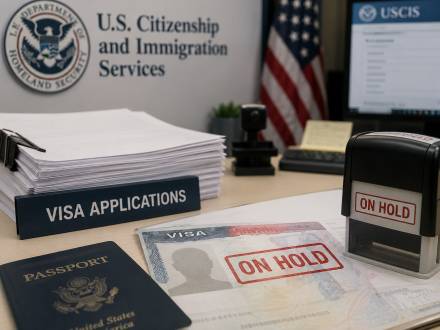
The expansion of U.S. travel restrictions in January 2026 created significant uncertainty for immigrants worldwide. But a federal court decision issued on June 5, 2026, has fundamentally changed how these restrictions affect pending immigration applications. If you are a national of one of the 39 designated countries, or if someone you know is, it is critical to understand both what has changed and what remains in effect.
The Travel Ban: What Remains in Place
On December 16, 2025, President Trump issued Presidential Proclamation 10998, which expanded U.S. travel restrictions from 19 countries to 39 countries effective January 1, 2026. This proclamation did two things:
For 19 countries (full suspension): All visa types are suspended. Nationals of Afghanistan, Burkina Faso, Burma (Myanmar), Chad, Republic of the Congo, Equatorial Guinea, Eritrea, Haiti, Iran, Laos, Libya, Mali, Niger, Sierra Leone, Somalia, South Sudan, Sudan, Syria, and Yemen cannot obtain any visa to enter the United States.
For 20 countries (partial suspension): Tourist, student, and exchange visas (B-1, B-2, F, M, and J categories) are suspended, along with all immigrant visas. However, work-visa categories such as H-1B, L-1, O-1, and other specialty categories may still be available, though with reduced validity periods. These partially restricted countries include Angola, Antigua and Barbuda, Benin, Burundi, Côte d'Ivoire, Cuba, Dominica, Georgia, Ghana, Jamaica, Montenegro, Nigeria, Rwanda, Saint Kitts and Nevis, Saint Lucia, Saint Vincent and the Grenadines, Tanzania, Turkmenistan, and Venezuela.
The proclamation also affects individuals traveling on documents issued or endorsed by the Palestinian Authority.
Importantly, the travel ban applies only to individuals who are outside the United States on or after January 1, 2026, and who do not hold a valid visa issued before that date. Individuals with valid visas issued before the effective date retain the ability to enter the United States, though they should expect enhanced screening.
This proclamation remains in effect. The June 5 court ruling did not invalidate the travel ban itself.
The Game-Changing Court Ruling: June 5, 2026
On June 5, 2026, Chief Judge John J. McConnell Jr. of the U.S. District Court for the District of Rhode Island issued a sweeping 135-page decision in Dorcas International Institute of Rhode Island v. USCIS. The court struck down four USCIS policies that had frozen immigration benefit adjudications for nationals of the 39 affected countries.
What the Court Struck Down
The court found that U.S. Citizenship and Immigration Services lacked legal authority under the Administrative Procedure Act to implement the following policies:
1. The Global Asylum Hold: USCIS had halted all asylum decisions for individuals, regardless of their country of origin. The court found this policy unlawful and ordered asylum processing to resume.
2. The Immigration Benefits Hold: USCIS had placed indefinite holds on pending applications for green cards (adjustment of status), work permits (employment authorization documents), naturalization, and other immigration benefits filed by nationals of the 39 designated countries. The court ruled this discriminatory hold violated federal law.
3. The Comprehensive Re-review Policy: USCIS had ordered a blanket re-review of all approved immigration benefits granted on or after January 20, 2021, to nationals of the 39 countries. The court invalidated this policy, finding it lacked sufficient legal justification.
4. Country-Based Discriminatory Processing: USCIS had treated all applicants from designated countries as presenting heightened national security risks without individualized assessment. The court rejected this blanket approach.
The ruling is historic in scope. Unlike previous preliminary injunctions that applied only to named plaintiffs in specific cases, this decision vacates the underlying policies themselves, creating relief for all affected individuals.
What This Means for Your Case: By Practice Area
Family-Based Immigration
If you filed for a spouse, parent, or other family member, and their case was placed on hold because they are a national of one of the 39 countries, processing must now resume. USCIS cannot continue indefinitely delaying I-485 adjustment of status applications, I-130 petitions, or I-864 affidavits of support based solely on the applicant's country of origin.
However, you still face the overseas consular visa issuance restrictions under the travel ban proclamation. If your family member is outside the United States, they cannot obtain an immigrant visa at a U.S. consulate or embassy if they are from a fully banned country, or if they require immigrant visa processing from a partially banned country. Some family-based immigrants may seek to adjust status within the United States if they are already here, and those cases can now move forward.
The distinction matters: USCIS applications can now be processed. Consular visas cannot.
Business Immigration
If you are an employer or visa holder from a partially banned country seeking H-1B, L-1, O-1, P-1, or other specialty work visas, these categories were never subject to the USCIS adjudication hold. However, the court ruling removes barriers to processing applications for nationals of fully banned countries who may work in the United States as employees within certain authorized categories.
For those already in the United States on work visas seeking to extend or adjust status, the removal of USCIS holds means your applications can now proceed. If you are from a fully banned country, consular options for obtaining initial visas remain restricted, but adjustment of status applications within the United States can move forward.
Employment-based green card applications (EB-1, EB-2, EB-3, EB-4, EB-5) that were placed on hold can now resume processing.
Asylum and Refugee Protection
The court struck down the global asylum hold, meaning asylum adjudications must resume for all applicants, regardless of country of origin. If your asylum case has been pending while USCIS imposed the blanket hold, processing can now move forward.
Asylum protection is available to individuals regardless of the travel ban. The ban restricts visa issuance and entry through certain pathways, but it does not restrict the right to apply for asylum from within the United States or at ports of entry. The June 5 ruling ensures that USCIS can no longer refuse to adjudicate pending asylum claims based on country of origin.
Deportation Defense
If you are in removal proceedings and have a pending cancellation of removal application, I-130 petition for family-based relief, asylum claim, or other form of relief from deportation, and that case was delayed due to USCIS holds, processing must resume. The court ruling is directly applicable to pending deportation defense cases.
The travel ban does not expand the grounds for deportation. It restricts entry and visa issuance. For those already in the United States, the ruling ensures that removal defenses can be adjudicated without arbitrary delay.
VAWA (Violence Against Women Act) and Humanitarian Cases
If you filed an I-360 self-petition under VAWA or another humanitarian basis, and your case was frozen, it can now move forward. The court found that the blanket holds violated the Administrative Procedure Act and individual due process rights. VAWA cases are particularly affected because these applicants often depend on timely adjudication to establish independence from abusers and to secure work authorization.
Important Limitations: What the Court Did NOT Do
It is critical to understand what the ruling does not accomplish:
The travel ban remains in place. Nationals of the 39 countries still cannot obtain tourist, student, or immigrant visas through consular processing overseas, except for nationals of the 20 partially banned countries who may obtain certain work visas. Presidential Proclamation 10998 was not invalidated by the court.
Consular visa processing is not restored. If you are overseas and need a visa to enter the United States, the consular visa restrictions in the proclamation still apply. The court ruling addresses only USCIS adjudication policies, not State Department consular operations.
The ruling does not affect refugee admissions. The court decision does not reopen the U.S. Refugee Admissions Program or alter any other refugee processing policies.
The government may appeal. The Trump administration has indicated it may appeal the ruling to the First Circuit Court of Appeals. The decision could be stayed (temporarily halted) pending appeal, or the government could attempt to re-issue the policies with a more developed administrative record. However, until such action occurs, USCIS must comply with the June 5 ruling.
Common Questions
Q: I am from one of the 39 countries and have a pending green card application. Can my case now be processed?
A: Yes. The court struck down the USCIS adjudication hold, and your case must now move forward through normal processing timelines. However, if you need to obtain your visa through consular processing overseas, you will still face restrictions depending on your country and visa category under the travel ban proclamation. If you are already in the United States and seeking to adjust status, your case can proceed.
Q: My asylum case was on hold for months. What happens now?
A: Your case must be adjudicated. The global asylum hold is struck down. USCIS cannot continue to delay your decision based on the travel ban restrictions. However, asylum adjudication timelines vary, and you should not expect immediate decisions on all pending cases.
Q: My approved work permit or green card was placed under review because I am from a banned country. Will that re-review continue?
A: No. The court invalidated the comprehensive re-review policy. USCIS can no longer subject already-approved cases to blanket re-review based on country of origin. Your previously approved benefit should be honored.
Q: Can I now obtain a visa to enter the United States if I am from a fully banned country?
A: Not through normal consular visa processing. The travel ban proclamation remains in effect, and consular visa issuance restrictions continue. However, if you are able to enter the United States through other means (for example, as a humanitarian, with a national interest waiver in rare cases, or if you fall within a narrow exception), you may then be able to file for benefits with USCIS. There is also the possibility of application for work visa categories in limited circumstances, which was not subject to the adjudication hold.
Q: From a partially banned country, can I get an H-1B or other work visa?
A: Work visa categories such as H-1B and L-1 were not subject to the USCIS adjudication hold and may still be available for nationals of the 20 partially banned countries. However, consular officers must reduce the validity period of such visas to a minimum (typically three months or one entry). These restrictions come from the travel ban proclamation, not from USCIS policies, and the court ruling does not change them.
Q: What if my family member is overseas and cannot get a consular visa? Are there alternatives?
A: This depends on your circumstances. If your family member is able to enter the United States through another pathway (with advance parole, humanitarian travel, or in limited cases with a national interest waiver), they could then file for benefits with USCIS. Consult with an immigration attorney to explore all available options based on your specific situation.
Q: Will USCIS process cases faster now?
A: USCIS must resume normal processing of cases that were on hold. However, USCIS faces a significant backlog of approximately two million applications that were frozen. Processing will take time. You should not expect immediate decisions, but your case is no longer subject to the arbitrary administrative hold.
Q: Can the government appeal this decision and put the hold back in place?
A: Yes. The Trump administration has indicated it may appeal to the First Circuit Court of Appeals. It is possible the ruling could be stayed during appeal, or the government could attempt to re-issue a revised version of the policies with a more developed legal justification. Immigration law remains in flux. You should remain in close contact with your attorney about any developments.
What You Should Do Now
If you are a national of one of the 39 affected countries with a pending immigration application, take the following steps:
- Contact your immigration attorney. Schedule a consultation to review your specific case and discuss how this ruling applies to your situation.
- Gather documentation. If you are in the process of applying for benefits, ensure all required documentation is ready to submit or has been submitted.
- Monitor your USCIS case. Check your case status regularly online. You should see movement on your application if it had been placed on administrative hold.
- Do not assume your case is approved. The removal of the hold means USCIS must adjudicate your case on the merits. It does not guarantee approval. Standard eligibility requirements still apply.
- Understand the limits. If your immigration plan depends on obtaining a consular visa from overseas, you still face the restrictions in the travel ban proclamation. Discuss alternative pathways with your attorney.
The Broader Landscape
The June 5, 2026, court ruling represents a significant legal victory for immigrants' rights. The court determined that USCIS cannot unilaterally freeze millions of applications without proper legal authority or individualized assessment. The decision reinforces the principle that even in matters of national security and immigration, the government must follow established legal procedures.
However, the ruling does not eliminate the travel ban itself or all restrictions on visa issuance. The landscape remains complicated. The travel ban proclamation continues to restrict consular visa processing. The State Department has also announced a separate 75-country freeze on immigrant visa processing based on public charge concerns, which remains subject to ongoing litigation.
Immigration law is dynamic. Policies may change, courts may issue new rulings, and the administration may appeal or attempt new approaches. Your best protection is to work with an experienced immigration attorney who understands both the legal landscape and your individual circumstances.
Hafey & Karim Can Help
At Hafey & Karim, we specialize in helping clients navigate complex immigration law, including asylum, business immigration, family-based immigration, green card applications, deportation defense, and VAWA cases. We understand how the travel ban, the court ruling, and evolving policy all affect your case.
If you are a national of one of the 39 affected countries and have questions about your pending application, contact Hafey & Karim for a consultation. We can help you understand your options and move your case forward.


Our firm provides representation for people throughout the United States. From our Concord office, we serve clients in San Francisco, Oakland, San Rafael, San Pablo, Richmond, Berkeley, Alameda, San Leandro, Hayward, Fremont, San Bruno, San Mateo, Palo Alto, San Jose, Mountain View, Milpitas, Cupertino, Santa Clara, and Campbell. Additionally, we serve clients in Texas cities including, Plano, Frisco, Allen, Carrollton, Farmers Branch, Richardson, Garland, Mesquite, Irving, Grand Prairie, Arlington, Euless, Bedford, Grapevine, Coppell, and Fort Worth.
Results listed are not a guarantee or indication of future case results.