
Call 214-506-0671


ICE Ordered to Stop Most Traffic Stops: What You Need to Know
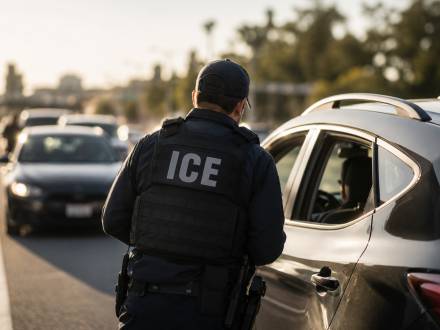 Homeland Security Secretary Markwayne Mullin ordered U.S. Immigration and Customs Enforcement (ICE) to halt most traffic stops and vehicle-based immigration enforcement operations. This major shift in immigration enforcement strategy follows two fatal shootings by ICE agents in Texas and Maine during routine traffic stops in July 2026.
This policy change represents one of the largest restructurings of federal immigration enforcement in recent years. If you're affected by ICE enforcement or concerned about immigration issues, here's what you need to know.
Why ICE Stopped Conducting Most Traffic Stops
Two fatal incidents exposed serious flaws in ICE traffic stop procedures:
Houston, Texas: ICE agents shot and killed Lorenzo Salgado Araujo during a traffic stop.
Maine: ICE agents fatally shot a Colombian national during a vehicle stop.
These shootings triggered immediate congressional pressure. Senator Susan Collins urged Secretary Mullin to "cease all non-urgent vehicle stops" by ICE agents.
The incidents revealed systemic problems with how immigration enforcement through traffic stops operates:
High-Risk Situations: Traffic stops create volatile, unpredictable scenarios where both officers and civilians face danger. Tensions escalate quickly when drivers don't know they're being stopped for immigration enforcement.
Arrest Quotas: ICE agents operate under aggressive arrest metrics that push them to conduct vehicle stops for immigration enforcement, even when safer alternatives exist. These quotas create pressure to take unnecessary risks.
Inadequate Training: ICE traffic stop training focused on arrests, not safety or de-escalation. Agents lacked proper procedures for handling high-stress encounters.
Community Impact: Immigration enforcement at traffic stops damaged community trust and public safety. Undocumented immigrants avoided driving, reporting crimes, and cooperating with law enforcement.
The New ICE Policy: What's Actually Changing
ICE Traffic Stops Are Now Limited
Under the new immigration enforcement order, ICE agents can no longer conduct routine traffic stops for immigration purposes. This ends the practice of using minor traffic violations as pretexts for immigration enforcement operations.
The policy restricts:
- Standard roadside vehicle stops by ICE agents
- Traffic violations used as immigration enforcement triggers
- Non-emergency stops targeting individuals without criminal records
- Routine traffic stop immigration enforcement
Exceptions Remain for High-Priority Cases
ICE traffic stops are still permitted when:
- Individuals are wanted for serious crimes or violent offenses
- High-priority immigration enforcement targets require intervention
- Emergency public safety situations demand immediate response
- Court orders specifically authorize vehicle stops
Alternative Immigration Enforcement Methods
Instead of vehicle stops for immigration enforcement, ICE will pursue immigration operations through:
Home-Based Enforcement: Intercepting individuals as they leave residences, allowing safer enforcement procedures without the unpredictability of traffic stops.
Workplace Immigration Enforcement: Targeting individuals at employment locations where ICE can plan operations more carefully.
Street-Level Enforcement: Engaging with individuals in public spaces outside vehicle scenarios.
Targeted Operations: Focusing resources on known, high-priority immigration enforcement cases rather than random traffic stops.
Mandatory Training Requirements
All ICE agents must complete new training on:
- De-escalation techniques during encounters
- Proper procedures for vehicle stop situations (when authorized)
- Legal requirements and civil rights compliance
- Safe engagement protocols
Impact on Immigration Enforcement Operations
This ICE policy change fundamentally shifts how federal immigration enforcement operates. The decision signals that officer and public safety now take priority over immigration enforcement volume.
What This Means for Immigration Enforcement:
The policy acknowledges that previous ICE traffic stop tactics created more danger than security. By restricting vehicle stops for immigration enforcement, the government is implicitly admitting that the methods were problematic.
Long-Term Implications: This temporary measure may become permanent immigration policy. It could reshape how all federal immigration enforcement operates nationwide and influence other agencies' procedures.
Questions About the Future: Will this stay temporary or become permanent? How will ICE adjust its overall immigration enforcement strategy? Will these changes extend to other federal agencies?
How This Affects You
If You're Undocumented:
Reduced Risk from Traffic Stops: You're now less likely to face immigration enforcement during routine vehicle stops. ICE cannot legally stop your car for minor traffic violations.
Increased Workplace/Home Risk: ICE will focus immigration enforcement efforts on homes and workplaces. Be cautious about where and when you travel.
Legal Representation Is Critical: With immigration enforcement shifting, having an immigration attorney becomes even more important.
If You're Stopped by ICE:
Even with the new ICE traffic stop order, some stops can still occur in limited situations. Know your rights:
- Ask if you're free to leave
- Do not consent to searches of your vehicle or belongings
- Provide only your name; don't answer questions
- State: "I wish to speak with an attorney"
- Contact an immigration lawyer immediately
Do not run or resist, but exercise your legal rights.
FAQs About the ICE Traffic Stop Policy
Q: Can ICE still stop my car? A: Only in limited situations involving dangerous individuals or high-priority cases. Routine ICE vehicle stops are prohibited under the new immigration enforcement policy.
Q: Is this policy permanent? A: The order is officially temporary while ICE develops new training and evaluates alternative immigration enforcement methods. It may become permanent.
Q: How will ICE find undocumented immigrants without traffic stops? A: Through home-based and workplace immigration enforcement operations, which ICE considers safer and more effective.
Q: Does this affect state and local police? A: No. This ICE policy only applies to federal ICE agents. State and local police can still conduct traffic stops under different legal standards.
Q: What should I do if I'm worried about immigration enforcement? A: Consult an immigration attorney immediately. You have legal options and rights.
What Happens Next
The Department of Homeland Security is currently:
- Developing comprehensive vehicle stop safety guidelines
- Creating new ICE traffic stop training programs
- Evaluating effectiveness of alternative immigration enforcement methods
- Assessing community impact and public safety outcomes
- Reviewing arrest quotas and performance metrics
Timeline: Initial implementation is underway. Full policy evaluation expected within 6-12 months.
Legal Guidance on Immigration Enforcement
If you're facing ICE enforcement, concerned about immigration status, or need guidance on your rights, immigration legal counsel is essential.
Hafey Karim Immigration Law provides expert guidance on:
- Immigration enforcement defense during ICE encounters
- Traffic stop rights and legal protections
- Immigration status assessment and options
- Deportation defense and removal proceedings
- Immigration relief including DACA, asylum, and other forms of relief
Don't navigate immigration enforcement alone. Get professional legal guidance.
Key Takeaways
✓ ICE halted most routine traffic stops for immigration enforcement
✓ Two fatal shootings exposed serious safety problems with vehicle stops for immigration enforcement
✓ ICE will pursue immigration enforcement through homes, workplaces, and targeted operations
✓ The policy is temporary but may become permanent
✓ Your rights during any ICE encounter remain unchanged
