
Call 214-506-0671


75-Country Pause Lifted: What This Means For Your Case
BREAKING NEWS: This ruling was issued on August 21, 2026. If your visa application was stuck due to the 75-country pause, this changes things for you.
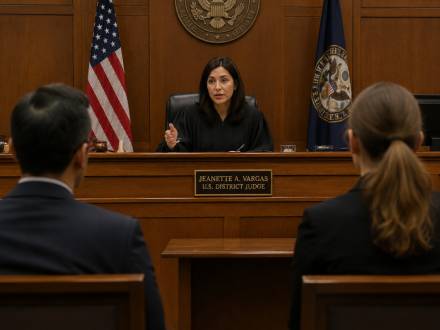
BREAKING NEWS: This ruling was issued on August 21, 2026. If your visa application was stuck due to the 75-country pause, this changes things for you.
What Happened: The Judge's Decision
On August 21, 2026, U.S. District Judge Jeanette A. Vargas ruled that the State Department's 75-country visa pause was illegal. This pause had blocked immigrant visas for people from 75 countries starting in January 2026.
The judge found that the policy violated federal immigration law in two main ways:
- It discriminated based on nationality (which the law prohibits)
- It misused the "public charge" rules in a way Congress never allowed
This is good news if your case has been stuck because of this pause.
The Background: What Was the 75-Country Pause?
In January 2026, the State Department announced it would pause issuing immigrant visas to people from 75 countries. The government said these countries were "high-risk" because people from there might become public charges (meaning they might need welfare or government benefits).
However, the law is clear: agencies cannot refuse visas based solely on someone's nationality or country of origin. They have to look at each person as an individual.
Who Was Affected?
The pause affected people trying to get green cards and family-based visas. If you were from one of the 75 countries and your visa application had been pending, it likely hit a wall in January 2026.
This included:
- People applying for spousal visas (CR-1 and IR-1 immediate relative visas)
- Family-based green card applicants
- People waiting for adjustment of status interviews
- Anyone whose green card was blocked because of their country of origin
If you are married to a U.S. citizen and from one of the 75 countries, this ruling directly affects your case.
What This Ruling Means for You
Your visa application can move forward. If your case was stuck because of the 75-country pause, it should no longer be blocked.
However, this does not mean your visa is automatically approved. Your application still has to meet all the normal requirements. What it does mean is:
- The government cannot use your country of birth as a reason to refuse your visa
- Your case should be reviewed based on your individual circumstances, not a blanket country rule
- Processing on your application should resume
This is a significant step toward getting your case unstuck.
Questions People Ask About This Ruling
Q: Does this mean my visa is approved?
A: No. The ruling removes a barrier that was blocking your case. Your application still needs to meet all normal visa requirements. But now your case can be evaluated fairly, person by person, rather than being automatically rejected because of your country.
Q: How long will it take for my case to move forward?
A: That depends on how busy the visa office is and how complete your application is. There is no single timeline for all cases. If your application was pending before January 2026, it should now be reviewed. We recommend contacting USCIS or the State Department to confirm your case is no longer paused.
Q: What if I am married to a U.S. citizen and my spousal visa is stuck?
A: If you are applying for a K-1 fiance visa, CR-1 or IR-1 spousal visa, or adjustment of status based on marriage, and you are from one of the 75 countries, this ruling affects you. Your case should no longer be automatically blocked. The government must review your application individually, not reject it based on your country.
Q: My spouse is filing for me (CR-1 or IR-1 visa) and we have been waiting. Does this ruling help?
A: Yes. If your case has been stuck since January 2026 because of the 75-country pause, it should now move forward. Immediate relative visas (CR-1 and IR-1) for spouses should now be processed on their merits. Contact the National Visa Center (NVC) or the consulate handling your case to confirm your status and next steps.
Q: What if I am from one of the 75 countries and my case was already denied?
A: If your visa was already denied (not just paused), this ruling may help you reopen your case. You may have grounds to ask for reconsideration based on the judge's finding that the pause was illegal. This is a situation where an immigration attorney can review what happened and advise whether you can petition for a new decision.
Q: Can I ask for my visa to be expedited?
A: Immigration cases do not move quickly as a general rule. However, if your case has been pending for an unusual amount of time and the agency is not making a decision, there are legal tools available. An attorney can review your timeline and advise whether formal steps might help.
Q: What about the "public charge" rule?
A: The ruling clarifies that the government cannot use a blanket country-based policy to determine public charge status. Each case must be reviewed individually. You can read more about the public charge rule and how it affects your specific visa type here: USCIS Public Charge Rule Changes: Answers to Your Questions
Q: What if I already have a visa interview scheduled?
A: Contact the visa office where you have an interview to confirm your case is no longer affected by the pause. Bring documentation of your financial support (I-864 forms, bank statements, job letters) and be prepared to answer questions about the "public charge" factors mentioned above.
What You Can Do Now
- Check your case status. Log into your USCIS account or contact the visa office handling your case to confirm it is no longer paused.
- Gather your documentation. Have your financial records, employment letters, and family documentation ready in case your case is reviewed soon.
- Document delays. Keep a record of how long your case has been pending. If it has been stuck for an unusual length of time, this information may be useful later.
- Consider legal advice. If your case was already denied or if you have questions about your specific situation, an immigration attorney can review your case and explain your options.
When to Contact an Immigration Attorney
This ruling helps people whose cases were blocked by the pause. But every immigration case is different. You may want to talk to an attorney if:
- Your visa application was denied before this ruling and you want to reapply
- Your case has been pending for months or years and nothing is happening
- You are not sure whether this ruling applies to your situation
- You want to understand whether you might qualify for an expedited review under mandamus or other legal remedies
An immigration attorney can review your complete case, tell you what this ruling means for you specifically, and explain what steps might help move your case forward.
Legal Disclaimer
This article provides general information about immigration law and current events. It is not legal advice for your specific situation. Immigration law is complex and rules change often. The information here was accurate as of August 2026, but laws and policies may have changed. Do not rely on this information alone to make legal decisions. Consult with a qualified immigration attorney about your case.
Next Steps
If you have been waiting for your visa or green card, this ruling is reason for cautious hope. Your case should no longer be automatically blocked by the 75-country pause.
But waiting and wondering is stressful. If you want someone to review your specific case and explain your options, we are here to help. Our attorneys can look at your situation, tell you what this ruling means for your timeline, and advise whether additional legal steps might move things forward.
Contact us for a 30-minute consultation. In that call, we can answer your questions, explain your options, and help you understand what comes next. You do not have to navigate this alone.
Have questions about this ruling or your case? Reach out today. We help people whose immigration cases are stuck or moving too slowly.
